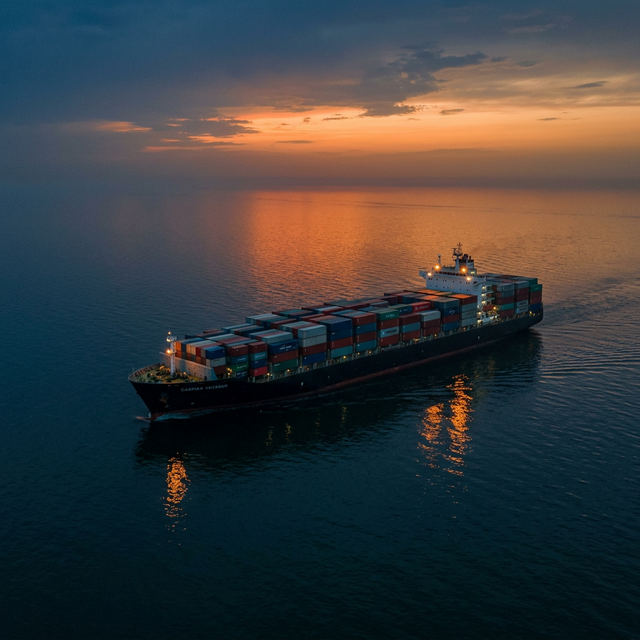
European shippers are increasingly routing cargo through the Middle Corridor as a resilient alternative to Suez-dependent lanes. The Trans-Caspian International Transport Route (TITR) recorded a 40% volume increase year-on-year, with particular growth in containerized goods from China and Central Asia to Europe.
The shift reflects a broader structural change in global supply chain thinking. Following disruptions to key maritime lanes, shippers and freight forwarders are actively building diversified routing strategies that are less exposed to single points of failure — and the Middle Corridor is emerging as the most viable continental land bridge between Asia and Europe.
What is driving the TITR growth?
- Geopolitical diversification away from Russia-dependent Northern Corridor
- Suez Canal disruptions pushing shippers to seek alternative lanes
- Infrastructure investments by Azerbaijan, Georgia, Kazakhstan and Turkey along the route
- Competitive transit times of 20–25 days China to Europe via the Middle Corridor
- Increasing Caspian ferry capacity between Aktau and Baku
AJS Logistic has been positioned on the Trans-Caspian route since our founding, with direct operational presence at Port of Poti — the critical junction where Caspian Sea cargo transitions to Black Sea and onward to European rail and road networks. Our expertise across the full corridor gives clients a single point of contact for end-to-end Middle Corridor freight.